

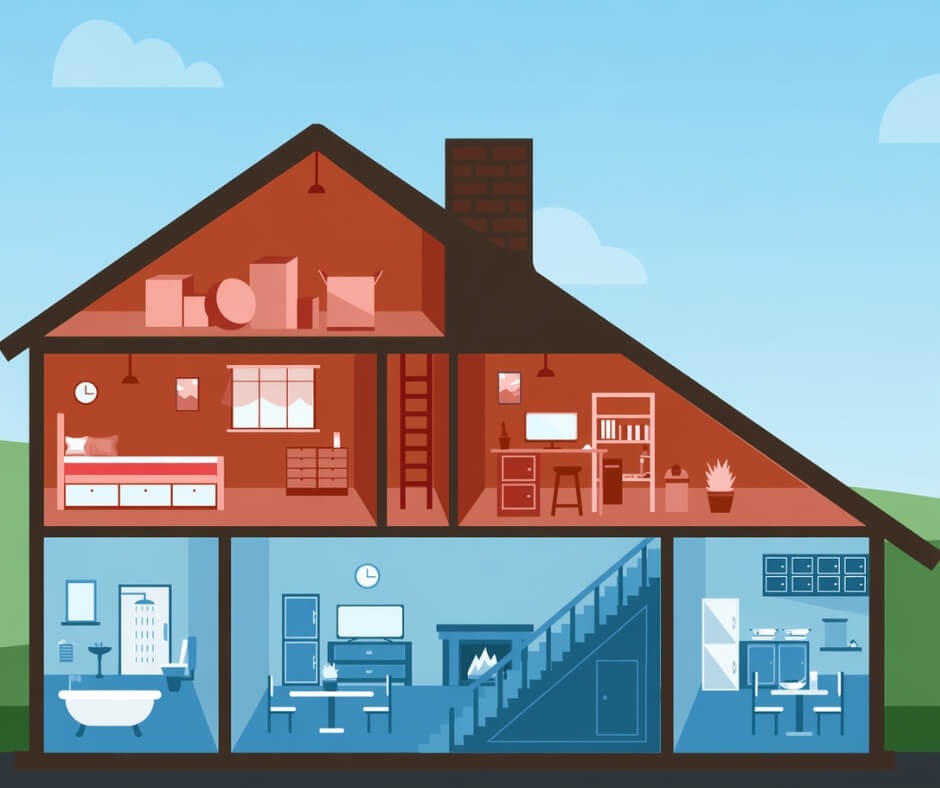
If your upstairs feels like a completely different climate than the rest of your home during the summer, you’re not alone. It’s one of the most common complaints homeowners have – and it’s not just about comfort. It often points to how your HVAC system and home are working together (or not).
The good news? There are clear reasons why this happens and practical ways to improve it.
Heat Naturally Rises
Warm air rises, and cool air sinks. It’s simple physics, but it has a big impact on your home. As your air conditioner cools the lower levels, heat continues to build upstairs, especially during the hottest parts of the day.
This effect is even more noticeable in multi-story homes where the upper level is exposed to more direct sunlight and heat buildup.
Poor Airflow to the Second Floor
Your HVAC system relies on balanced airflow to distribute cool air evenly. If your upstairs isn’t getting enough airflow, it won’t cool properly.
Common causes include:
- Ductwork that favors the main level
- Closed or blocked vents
- Leaky ducts losing air before it reaches upstairs
Even small airflow issues can lead to noticeable temperature differences between floors.
Insulation and Attic Heat
Your upstairs is closer to the attic, and that’s a major factor. During summer, attic temperatures can exceed 120–140°F. If your attic isn’t properly insulated or ventilated, that heat radiates down into your second floor.
This forces your AC to work harder just to keep up.
Thermostat Location
Most thermostats are located on the main floor. Once that area reaches the set temperature, your system shuts off – even if the upstairs is still warm.
This creates a situation where your HVAC system thinks the job is done, but your comfort says otherwise.
System Size or Design Limitations
In some cases, the issue comes down to how the system was originally designed. Older systems or improperly sized units may struggle to keep up with cooling demands across multiple floors.
This doesn’t always mean you need a full replacement, but it may require adjustments or upgrades to improve performance.
What You Can Do to Fix It
The solution often isn’t just one thing – it’s a combination of small improvements that work together.
Improve Airflow
- Make sure all vents are open and unblocked
- Replace air filters regularly
- Have ductwork inspected for leaks or restrictions
Use Ceiling Fans: Set fans to rotate counterclockwise in the summer. This helps circulate cool air and makes rooms feel cooler without lowering the thermostat.
Adjust Your Thermostat Strategically: Slightly lowering your thermostat can help, but avoid overcorrecting. A smart thermostat or zoning system can provide better control across different areas of your home.
Seal and Insulate: Improving attic insulation and sealing air leaks can significantly reduce heat transfer into your upstairs.
Consider Zoning or Ductless Options: For persistent issues, solutions like zoning systems or ductless mini-splits can provide targeted cooling where it’s needed most.
Final Thoughts
An upstairs that won’t stay cool isn’t just frustrating – it’s a sign your system may not be operating as efficiently as it could. Addressing airflow, insulation, and system setup can make a noticeable difference in comfort and energy use.
If your home has ongoing hot spots or uneven cooling, it may be time for a professional evaluation.
At Steve’s Heating & Cooling, we help homeowners throughout Northern Kentucky find practical, effective solutions to keep every level of their home comfortable, no matter how high the temperatures climb. Reach out for a consultation today.